


Alwar’s milk culture holds a unique place in the culinary and cultural tapestry of Rajasthan, celebrated for its exceptional quality and the rich heritage it supports. Known far beyond regional boundaries, the milk produced in Alwar is not only prized for its purity but also for its pivotal role in creating some of the most irresistible sweets found in Indian cuisine. This article explores the essence of Alwar’s milk culture and how it contributes to producing mouthwatering sweets that captivate taste buds and hearts alike.
The Distinctiveness of Alwar’s Milk Culture
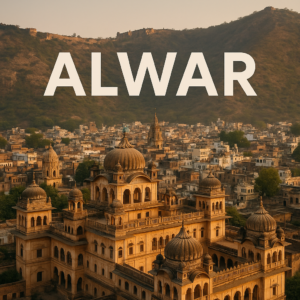
Alwar, a district nestled in the heart of Rajasthan, boasts an agricultural and pastoral tradition that has been nurtured over generations. The region’s milk culture is distinguished by several factors including climate, breed of cattle, and traditional rearing practices. The semi-arid climate here actually contributes to the richness of the milk, as cows grazing on indigenous grasses and herbs produce milk that is high in fat content and natural nutrients.
Local farmers in Alwar rely heavily on indigenous breeds such as the Rathi and Gir cows, known for their adaptation to local conditions and superior milk yield. These breeds provide milk that is creamier, naturally sweeter, and denser than milk from commercial or non-native breeds. This superior quality milk forms the bedrock of Alwar’s famous sweets.
Why Alwar’s Milk Makes Its Sweets Unbeatable
Milk is the soul of Indian sweets, and the quality of milk directly influences the flavor and texture of traditional delicacies. In Alwar, the milk culture’s high fat content and freshness are crucial in crafting sweets like Kheer, Rabri, Mawa, and especially Ghevar, which is a local specialty during festive seasons.
– Natural richness: The creamier milk allows for richer sweets that melt in the mouth, a signature characteristic of Alwar’s confectioneries.
– Freshness factor: Locally sourced milk ensures that sweets are made from fresh dairy, minimizing any artificial additives or preservatives. This freshness translates to an authentic taste that is hard to replicate.
– Traditional preparation: The availability of high-quality milk has preserved age-old recipes and traditional methods of sweet-making in the region, ensuring that every piece of sweetness tells a story of heritage.
The Role of Milkmaids and Dairy Cooperatives
Behind Alwar’s thriving milk culture are the women milkmaids and local dairy cooperatives, whose hard work and dedication sustain the industry. Small-scale dairy farms and cooperative societies have been instrumental in maintaining milk quality by emphasizing hygienic collection and processing methods.
These cooperatives empower rural communities and ensure that dairy farming remains a sustainable livelihood while enhancing the quality assurance process. The close-knit nature of this system reduces the time from milking to production, ensuring exceptionally fresh milk reaches sweet makers.
Exploring Alwar’s Sweet Delicacies Powered by Milk
No exploration of Alwar’s milk culture would be complete without delving into the sweet creations it inspires:
1. Ghevar: A crispy, honeycomb-like sweet soaked in sugar syrup and often topped with rabri. The richness of the milk used in rabri elevates this delicacy to a festive favorite.
2. Rabri: Thickened sweetened milk, delicately flavored with cardamom and saffron. The creamy texture owes much to the high-quality milk from the region.
3. Mawa: Dried milk solids made by slow simmering of Alwar’s milk, used extensively as a base for various confections like peda, barfi, and laddoo.
4. Kheer and Phirni: Traditional rice puddings made with fresh, creamy milk that add a melt-in-the-mouth smoothness and deep flavor.
These sweets not only embody the richness of the milk but also reflect the cultural legacy preserved through generations.
The Future of Alwar’s Milk Culture
With modernization touching every aspect of life, preserving the authenticity of Alwar’s milk culture remains a challenge but also an opportunity. Efforts from the government and local organizations to promote organic dairy farming and improve infrastructure are helping sustain this tradition while meeting contemporary quality standards.
The increasing demand for natural and artisanal foods has also put Alwar’s dairy products in the spotlight, encouraging younger generations to embrace and innovate within this age-old practice.
Conclusion
Alwar’s milk culture is a testament to how regional traditions and natural resources combine to create culinary excellence. The milk here is not just an ingredient; it is a symbol of heritage, quality, and unmatched taste that transforms ordinary sweets into unforgettable delights. For anyone eager to discover authentic Indian flavors, indulging in the sweets powered by Alwar’s rich milk culture offers a delicious journey into the heart of Rajasthan’s gastronomic heritage.
