


When most people picture honey, they often think of the ubiquitous golden liquid found in grocery stores, typically labeled “Clover Honey.” While clover honey is a delightful and widely available staple, it merely scratches the surface of the incredibly diverse and fascinating world of honey. Just like wine, coffee, or olive oil, honey’s flavor, color, aroma, and even texture are profoundly influenced by the floral source (nectar) from which the bees collected their bounty.
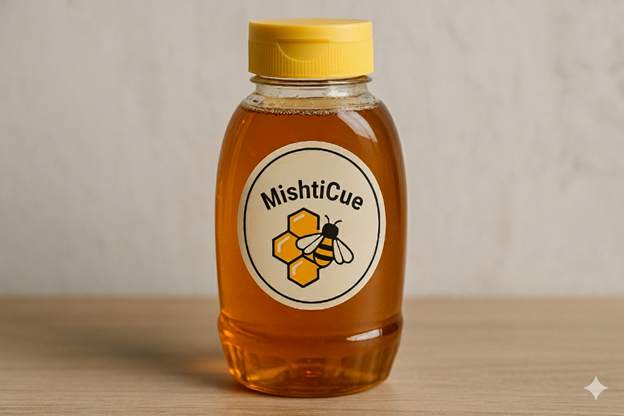
At Mishticue.com, we celebrate authenticity and natural goodness, much like the unique characteristics of different honey varieties. Let’s embark on a journey beyond clover to discover the ultimate guide to the captivating world of honey.
Understanding the Basics: Monofloral vs. Wildflower
Before diving into specific varieties, it’s essential to understand two main categories:
- Monofloral Honey: This honey comes predominantly from the nectar of a single type of flower. Beekeepers achieve this by placing hives in areas rich in a specific bloom during its peak season. These honeys have distinct flavor profiles.
- Wildflower/Polyfloral Honey: This is a blend of nectar from various flowers blooming in a specific area at a given time. Its flavor and color can vary significantly based on location and season, often resulting in a complex and robust taste.
A Journey Through Distinct Honey Varieties:
Here are some of the most famous and unique honey varieties from around the world, each with its own character:
1. Acacia Honey:
- Source: Black Locust tree (Robinia pseudoacacia) flowers.
- Characteristics: Very light, almost clear, with a mild, delicate, and sweet flavor. It tends to crystallize very slowly due to its high fructose content.
- Uses: Excellent as a natural sweetener in beverages, drizzled over fruits, or with light cheeses.
2. Manuka Honey (New Zealand):
- Source: Manuka bush (Leptospermum scoparium).
- Characteristics: Darker, with a strong, distinctive, earthy, and slightly bitter taste. It’s world-renowned for its powerful antibacterial properties (measured by UMF/MGO ratings).
- Uses: Primarily for medicinal purposes (wound healing, digestive health), but also enjoyed for its unique flavor.
3. Buckwheat Honey:
- Source: Buckwheat flowers.
- Characteristics: Dark, almost black, with a robust, malty, molasses-like flavor and a lingering aftertaste. It’s rich in antioxidants.
- Uses: Great for baking, marinades, or in recipes where a strong honey flavor is desired. Often used as a natural cough remedy.
4. Orange Blossom Honey:
- Source: Citrus tree blossoms (orange, lemon, grapefruit).
- Characteristics: Light amber to white, with a fresh, fruity, and distinctly citrusy aroma and taste.
- Uses: Perfect in tea, drizzled over toast, or in desserts where a delicate floral note is desired.
5. Eucalyptus Honey (Australia, California):
- Source: Eucalyptus tree flowers.
- Characteristics: Amber-colored, with a strong, slightly medicinal, herbaceous, and woody flavor.
- Uses: Popular for medicinal purposes (coughs, colds), and in savory dishes that can stand up to its bold flavor.
6. Lavender Honey (France, Spain):
- Source: Lavender flowers.
- Characteristics: Light to medium amber, with a delicate floral aroma and a subtly sweet, fruity taste.
- Uses: Excellent with fresh fruit, yogurt, or in gourmet desserts and pastries.
7. Heather Honey (Scotland, Europe):
- Source: Heather plant flowers.
- Characteristics: Thick, thixotropic (jelly-like until stirred), dark amber, with a pungent, robust, woody, and slightly tangy flavor. It has a unique texture.
- Uses: A gourmet honey, often eaten on its own, with game meats, or in specific traditional recipes.
8. Sage Honey (California, Mediterranean):
- Source: Sage plant flowers.
- Characteristics: Light in color, with a mild, herbaceous, and often very clean taste. It crystallizes slowly.
- Uses: A versatile table honey, good in tea, or paired with delicate foods.
9. Tupelo Honey (Southeastern US):
- Source: White Tupelo tree blossoms.
- Characteristics: Light amber to greenish, with a buttery, fruity, and very sweet taste. It has a remarkably slow crystallization rate.
- Uses: Considered a gourmet, premium honey, often enjoyed on its own or with fine cheeses.
10. Sidr Honey (Yemen, Saudi Arabia):
- Source: Sidr tree (Ziziphus spina-christi).
- Characteristics: Dark amber, with a rich, buttery, and slightly tangy taste. It’s highly prized and known for its potent medicinal properties, similar to Manuka.
- Uses: Often consumed for its health benefits, and as a luxury gourmet honey.
The Nuance of Honey
- Color: Ranges from almost clear to deep amber or even black, correlating with flavor intensity (darker honeys often have stronger flavors and more antioxidants).
- Texture: From runny to thick, creamy (crystallized), or thixotropic.
- Crystallization: All raw honey will eventually crystallize. The rate depends on its glucose-to-fructose ratio. Acacia crystallizes slowly, while rapeseed honey crystallizes very quickly.
- Terroir: Like wine, honey’s flavor is also influenced by the soil, climate, and surrounding flora of the region.
Exploring honey varieties is a delightful journey for the senses. Each type offers a unique profile, promising new culinary adventures and health benefits. So, next time you reach for honey, consider venturing beyond clover and discovering the incredible diversity that nature and bees have to offer.
